Rubbish clearance for Bellingham Estate residents SE6
Posted on 08/08/2026
If you live on Bellingham Estate, you already know how quickly rubbish can build up. A broken wardrobe left in the hallway, a garden bag that never quite makes it to the tip, a flat clearance after a move, or builders' waste sitting in the way of a normal week - it all adds up fast. Rubbish clearance for Bellingham Estate residents SE6 is really about making that problem disappear without fuss, without stress, and without turning your day upside down.
In practice, it means getting unwanted items removed safely, responsibly, and at a time that works for you. It can be a small one-off collection or a fuller clearance job. Either way, the goal is the same: a tidy space, less hassle, and a proper route for waste disposal rather than a pile-up that lingers for weeks. Let's face it, nobody wants to spend a Saturday wrestling a mattress down the stairs.
This guide walks you through how it works, what to expect, where the common pitfalls are, and how to choose the right approach for your home or property. If you are also comparing related services, you may find it useful to look at our general rubbish clearance service, the broader waste removal options in Catford, and our house clearance support for larger domestic jobs.
Why Rubbish clearance for Bellingham Estate residents SE6 Matters
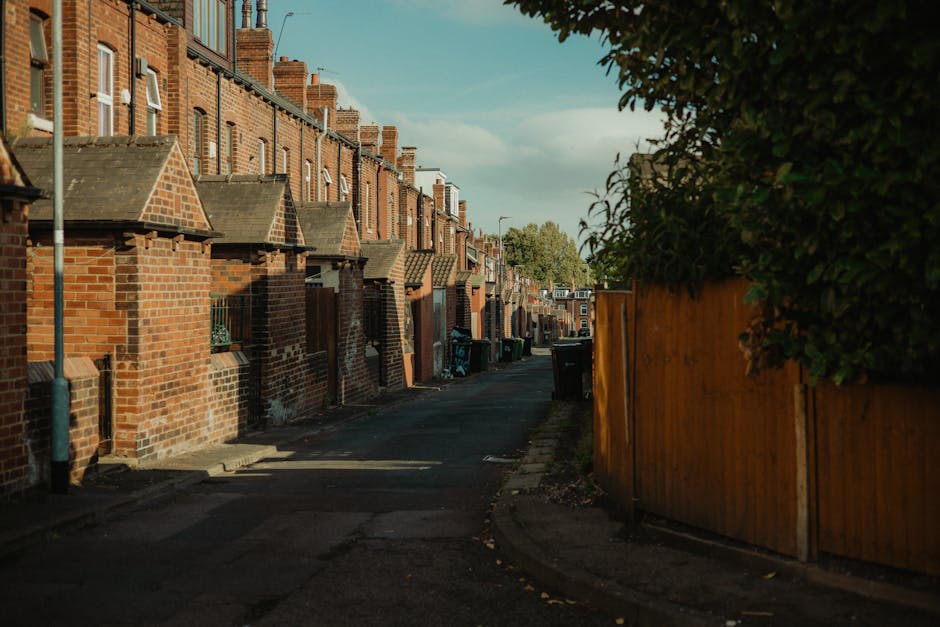
On a busy estate, rubbish rarely stays neatly in one place for long. Bags get dragged from the kitchen to the landing, flat-pack packaging waits by the door, and bulky items somehow become part of the furniture. The problem is not just visual. Left too long, waste can block access, attract pests, create odours, and make shared areas feel less pleasant for everyone.
That matters more in estate living than many people expect. Shared stairwells, limited storage, parking constraints, and narrow access routes can make DIY disposal awkward. You might think, "I'll just sort it next week," and then next week becomes next month. In the meantime, it sits there. A little annoying. Then properly annoying.
There is also a practical side. Clear spaces are easier to clean, safer to move through, and more comfortable to live in. If you are preparing for decorating, a tenancy change, a family visit, or a sale, rubbish clearance can be the difference between feeling behind and feeling back in control. For people considering home improvements or property changes nearby, our Catford real estate buying guide and property investment article can help you think about long-term value too.
And yes, there is a community angle. Clean shared spaces are simply nicer for everyone. No drama. No piles of mystery junk. Just a more workable place to live.
How Rubbish clearance for Bellingham Estate residents SE6 Works
Most rubbish clearance jobs follow a fairly straightforward pattern, even if the job itself looks messy at the start. The process usually begins with a description of what needs removing, followed by a quote or estimate, then a collection arranged around access, load size, and timing.
For estate residents, access is often the key issue. Is the item in a flat? On an upper floor? Is there lift access, or are stairs the only option? Can a vehicle stop close enough for loading? These details shape the time required and, in some cases, the best method for the job.
Once the team arrives, items are usually assessed on site and loaded with care. Mixed waste is separated where possible. Reusable or recyclable materials may be directed through the right channels, and bulky items are handled so they do not damage walls, floors, or communal areas. If the job includes building debris, you may want to compare it with our builders' waste disposal service, which is more suited to renovation leftovers than household clutter.
One thing people often miss: good clearance is about sorting, not just lifting. A proper crew does not simply take everything away and call it done. The waste has to be handled with a bit of judgement. That is where the difference between a rushed job and a professional one really shows.
Typical stages you can expect
- Initial enquiry with a description of the items or waste.
- Advice on likely load size and practical access needs.
- Arrival at the agreed time window.
- Loading, careful handling, and removal.
- Sorting for reuse, recycling, or responsible disposal where possible.
- Final tidy-up of the cleared area.
Key Benefits and Practical Advantages
The obvious benefit is getting rid of unwanted waste. But the real value goes deeper than that. For many residents, the biggest win is simply removing a task that has been hanging over them for days or even weeks.
- Less stress: no need to worry about transporting heavy or awkward items yourself.
- Time saved: one visit can do what might otherwise take several trips.
- Safer handling: bulky rubbish, broken furniture, and renovation waste are easier to manage with the right team.
- Better presentation: helpful before moving, letting rooms, renovating, or cleaning.
- Improved recycling outcomes: recyclable materials can be separated more sensibly than in a rushed DIY tip run.
There is also the very human benefit of getting your space back. A cleared hallway feels wider. A cleared spare room feels usable again. A cleared garden suddenly looks like somewhere you can sit with a cup of tea rather than somewhere that stores old fencing and half a shed. Small thing? Maybe. But those small things do add up.
Expert summary: For Bellingham Estate residents, the best rubbish clearance is usually the one that balances speed, access, and responsible disposal. Fast is useful, but neat handling and proper sorting matter just as much.
If you want to understand the wider service picture, our services overview gives a useful starting point. For environmentally minded readers, the recycling and sustainability approach is worth a look too.
Who This Is For and When It Makes Sense
This kind of service is for anyone who needs unwanted items removed quickly and properly, but certain situations come up again and again on estate properties.
- Flat residents dealing with bulky furniture, old appliances, or general clutter.
- Families doing a clear-out after years of accumulated items.
- Landlords and letting agents preparing a property between tenancies.
- Homeowners after renovation, decorating, or a garden clear-down.
- Small businesses or home workers needing office furniture or paperwork disposed of.
It makes sense when the rubbish is too much for normal bins, too bulky for a car boot, or too awkward to carry safely. That is especially true if you live above ground level, have limited parking, or simply do not have the time to manage it all yourself. Truth be told, a lot of people reach this point after one too many "I'll sort it at the weekend" moments.
If the job is tied to a move or an inherited property, the decision often becomes emotional as well as practical. That is where a calm, methodical clearance can be a real relief. For heavier domestic clear-outs, our house clearance page may also be relevant, while workspace jobs are more aligned with office clearance.
Step-by-Step Guidance
If you are planning a clearance, a simple process helps keep things under control. You do not need a spreadsheet and a panic attack. Just a sensible order of operations.
- Walk through the space: Make a quick list of what needs removing. Separate bulky furniture, loose household waste, garden bags, and building debris if you can.
- Check access: Note stairs, lifts, parking, and any restrictions around your block or estate. This saves time later.
- Decide what stays: It sounds obvious, but people often leave valuable or sentimental items in the "clear it all" pile by mistake.
- Choose the right service level: Small collection, mixed waste, full room clearance, or larger property clearance. Different jobs need different setups.
- Ask about sorting: Responsible clearance should not just be a dumping exercise. Ask how reusable and recyclable items are handled.
- Confirm timing and access details: A clear arrangement reduces delays on the day.
- Keep pathways clear: On the day, make it easy for the team to work safely and quickly.
A simple tip from experience: if you can make a rough pile the night before, do it. Not perfect, just grouped sensibly. That one small bit of preparation can shave a surprising amount of time off the job.
For people looking for quicker turnarounds, same-day help can be useful. You can read more in our post on same-day rubbish clearance near Catford Bridge Station SE6. If you live in a flat specifically, our flat rubbish removal guide covers some of the usual access headaches.
Expert Tips for Better Results
There are a few practical habits that make clearance smoother and often cheaper in real life, even if they sound a bit dull on paper.
- Separate items before collection: It helps to group metal, wood, electricals, green waste, and general rubbish where possible.
- Measure large items: Wardrobes, sofas, fridges, and bed frames can be awkward in communal corridors.
- Protect surfaces: If your block has tight hallways or painted walls, put down temporary protection if needed.
- Ask about awkward items early: Mattresses, fridges, paint tins, and broken mirrors can change how a job is handled.
- Be realistic about volume: A single van load and a half-flat clearance are not the same thing.
Also, if you are disposing of garden waste, it is worth checking whether that should be handled separately. Green waste can be a different sort of job altogether, especially after a seasonal tidy-up when there are branches, soil, and hedge cuttings everywhere. Our garden waste removal service covers that kind of work more neatly.
One more thing. If you are unsure, say so. A good provider would rather know the awkward bit in advance than arrive and find a piano, three broken chairs, and a mountain of damp boxes. Nobody enjoys surprises like that.

Common Mistakes to Avoid
Most clearance problems are avoidable. The tricky part is that they often seem small until they become time-consuming.
- Leaving it too late: If you need a clear date for a move, landlord inspection, or builder start, do not wait until the last minute.
- Mixing valuable items into the clearance pile: A quick sort before collection can prevent regret later.
- Ignoring access issues: Parking restrictions and stairs matter more than people expect.
- Assuming all waste is the same: Builders' waste, household clutter, and garden waste may need different handling.
- Choosing solely on speed: Fast is handy, but not if the job is messy or careless.
A very common one is underestimating the amount of stuff. That box room that "only has a few bits in it" can somehow produce a van-full of debris. Funny how that works.
Another mistake is forgetting about safety. Heavy lifting, sharp edges, dust, and broken glass are not worth improvising around. If there is any concern at all, read the safety guidance on insurance and safety before planning the job.
Tools, Resources and Recommendations
You do not need specialist equipment for most clearance jobs, but a few basic tools and habits can make things much easier.
| Item or resource | Why it helps | Best use |
|---|---|---|
| Heavy-duty bin bags | Useful for loose household waste and mixed rubbish | Sorting smaller items before collection |
| Gloves | Protects hands from dirt, splinters, and sharp edges | Pre-sorting and light handling |
| Marker pen and tape | Makes it easier to label keep, donate, or clear piles | Rooms with mixed items |
| Measuring tape | Helps check access for furniture and appliances | Bulky item planning |
| Clear pathway plan | Reduces delays and damage during removal | Flats and shared access areas |
For service planning, our pricing and quotes page is a sensible next stop if you want to understand how estimates are typically formed. If payment questions are on your mind, the payment and security information is worth reviewing too.
And because good customer experience is not just about the collection itself, you may also want to read our about us page to understand the values behind the service.
Law, Compliance, Standards, or Best Practice
Waste removal in the UK is not something to treat casually. As a resident, you should always make sure your rubbish is handed to a provider that handles it responsibly and can dispose of it in line with accepted practice. You do not need to know every technical rule, but it does help to expect clear, sensible handling of the waste stream.
In plain English, that means a few things. Waste should not simply vanish without trace. Recyclable materials should be treated as such where possible. Hazardous or awkward items need proper handling. And the people doing the work should operate safely around communal areas, neighbours, and the property itself.
For estate residents, best practice also means protecting shared spaces. Hallways, door frames, stairwells, and lifts should be left tidy and undamaged. If a provider is careless here, it creates hassle for everyone. That is exactly the sort of issue that turns a simple clearance into a complaint nobody wanted.
You do not need to be an expert to make a sensible choice. Ask direct questions. What happens to the waste? How are mixed materials handled? How is access managed? If the answers feel vague, that is usually a signal in itself.
Options, Methods, or Comparison Table
There is more than one way to clear rubbish from a property. The best choice depends on volume, access, time, and whether you are dealing with household items, garden waste, or building debris.
| Method | Best for | Advantages | Trade-offs |
|---|---|---|---|
| DIY trips to disposal points | Very small loads and flexible schedules | Can suit tiny clear-outs | Time-consuming, awkward for bulky items, physically demanding |
| Man-and-van style collection | Mixed household waste and furniture | Convenient, quick, less lifting for you | Needs good access planning |
| Full property clearance | Large or emotionally difficult clear-outs | Comprehensive and efficient | Not always necessary for minor jobs |
| Specialist waste removal | Garden waste or builders' rubble | Better suited to specific waste types | May not cover all household items |
For many Bellingham Estate residents, the middle option works best: a practical collection service that can handle mixed items without turning the job into a whole-day project. If your waste is mostly renovation-related, builders' waste disposal may be the better fit. If it is more about a home reset, house clearance support is usually more relevant.
Case Study or Real-World Example
Here is a simple example from the sort of job people on estates often face. A resident in a second-floor flat has just finished redecorating. There is an old sofa, two broken bedside cabinets, several bags of packaging, a torn carpet offcut, and a few bits of general clutter that were shoved into a spare room months earlier. Nothing extreme. But together, it has become a nuisance.
The challenge is not just removal. It is access. The lift is small, the corridor is shared, and parking nearby is not always easy. In a case like this, the smartest move is to group items by type, make sure the route to the exit is clear, and keep any items to be retained separate from the clearance pile. Simple, but it works.
On the day, a crew can move through the job much faster if the resident has already done a quick sort. The result is a cleaner flat, no lingering boxes, and a room that is actually usable again. By the evening, you can hear the quieter sound of a proper empty room - just the echo, really. It feels lighter.
That is the bit people sometimes underestimate. Not the removal itself, but the relief afterwards.
Practical Checklist
Before your rubbish clearance, use this quick checklist to keep the day straightforward.
- Identify everything that needs removing.
- Separate keep, donate, recycle, and clear piles.
- Check stairs, lifts, parking, and entrance access.
- Measure any bulky furniture or appliances.
- Put fragile items away from the clearance area.
- Tell household members or neighbours if access may be briefly blocked.
- Confirm the collection time and any special instructions.
- Make sure the waste route is clear from the room to the exit.
- Review whether the load is household, garden, or builders' waste.
- Keep documents, keys, and valuables out of the work area.
Small effort, big difference. Honestly, that little bit of prep is often what separates a calm clearance from a chaotic one.
Conclusion
Rubbish clearance for Bellingham Estate residents SE6 is about much more than taking away old junk. It is about making shared living easier, safer, and more comfortable. It is about freeing up space, reducing stress, and handling waste in a way that feels responsible rather than rushed.
If you plan carefully, choose the right service for the type of waste you have, and think through access before collection day, the whole process becomes far simpler. That applies whether you are clearing a single room, a flat, a garden, or a larger property after a move or refurbishment.
And if you want to dig a little deeper into the area and the local context, you might enjoy reading about Catford's local character, what it is like to live in Catford, or even some of the area's social spots if you are settling in or exploring nearby. Small details, but they help place the work in real life.
Get a free quote today and see how much you can save.


From a young age, Blair has cultivated a passion for order, which has now matured into a prosperous profession as a waste removal specialist. She derives satisfaction from transforming disorderly spaces into practical ones, aiding clients in conquering the burden of clutter.